Research Offers Insight for Navigating the Global Supply Chain in a Post-Pandemic World
Businesses, consumers, and policymakers are adapting to recent shifts in global supply chains after the COVID-19 pandemic, geopolitical events, natural disasters, and port worker strikes. As a result, stakeholders have sought out other markets, including Canada, India, Mexico, and Vietnam.
Shiliang (John) Cui, professor of operations and analytics, and Ricardo Ernst, Baratta Chair in Global Business and professor of operations and global supply chains, explore how the pandemic exposed vulnerabilities in the global supply chain in a recently published paper. Their research offers insight for stakeholders to navigate future challenges by explaining how to build reliance, flexibility, and adaptability.
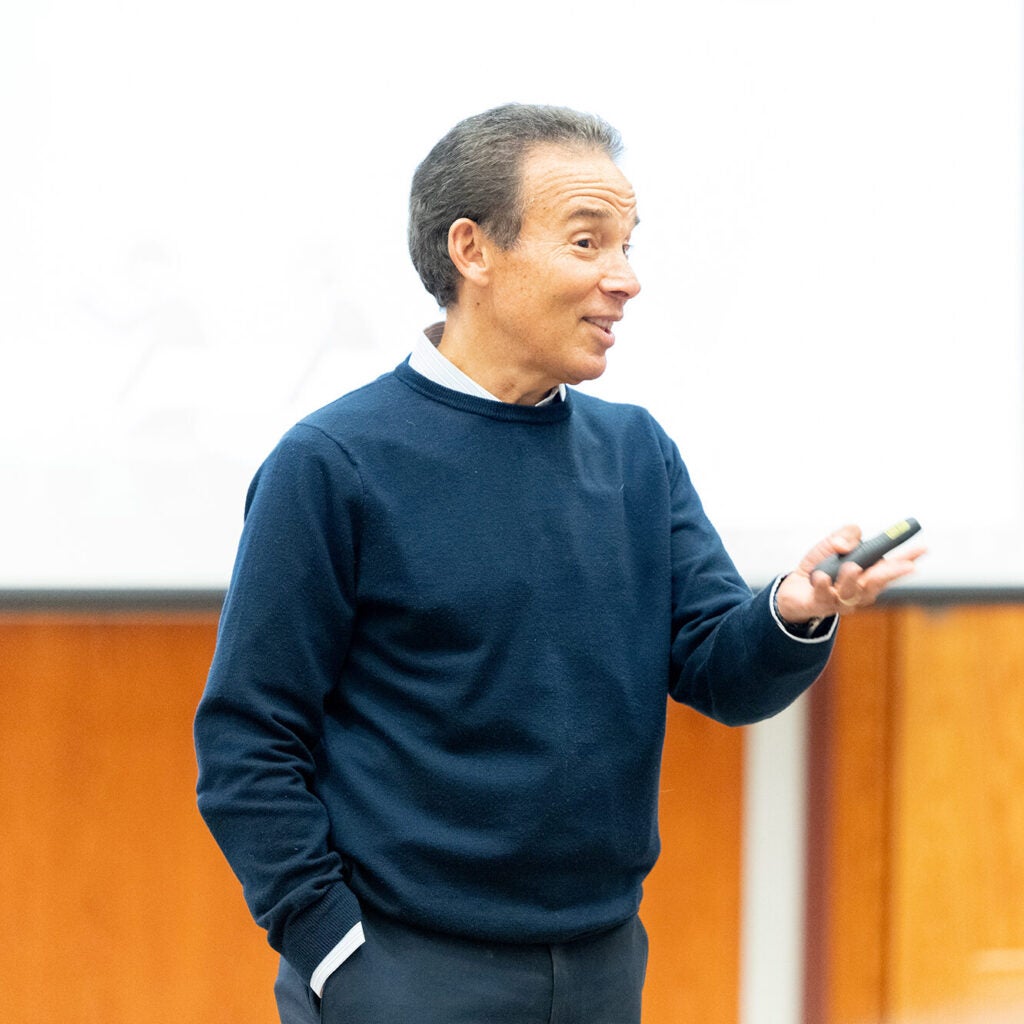
Ricardo Ernst, Baratta Chair in Global Business and professor of operations and global supply chains
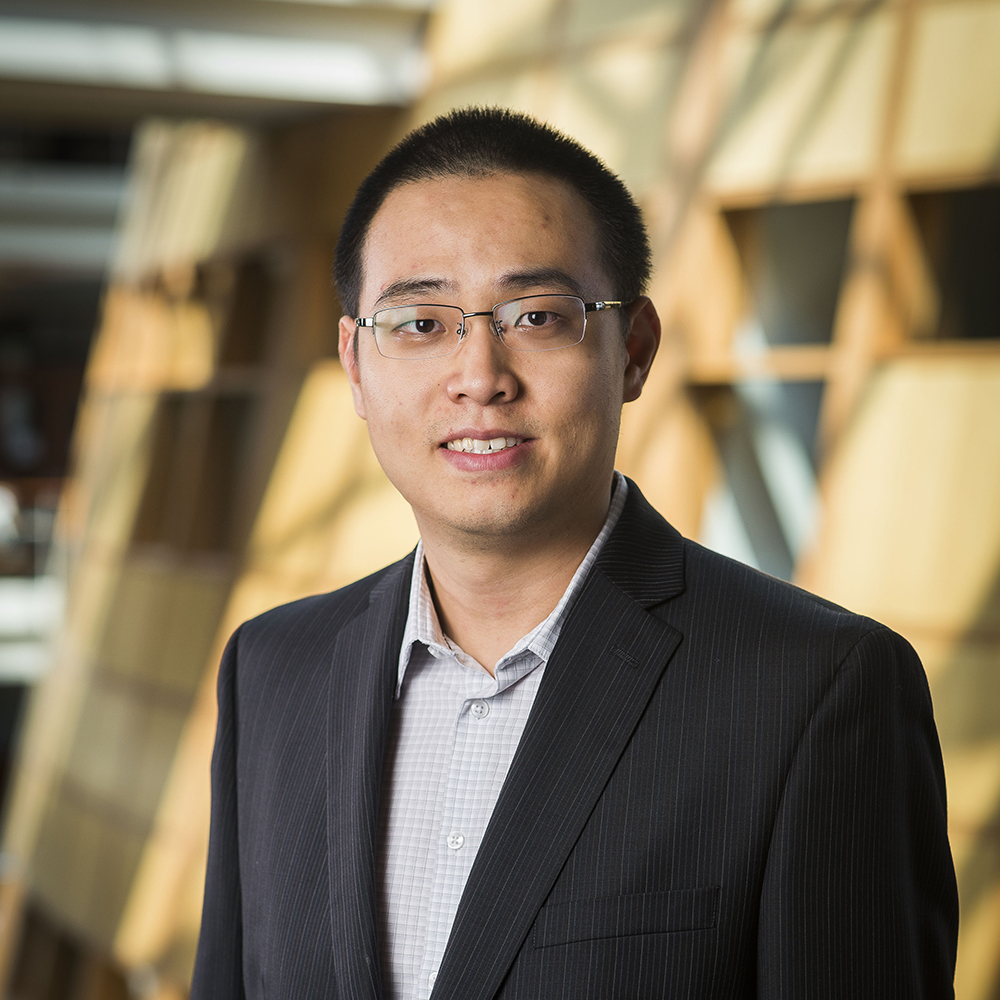
Shiliang (John) Cui, professor of operations and analytics
What inspired you to pursue this research topic?
We were motivated by the unprecedented global supply chain disruptions caused by COVID-19. The pandemic was a huge disaster, but also presented a unique opportunity to empirically document how firms adapted their sourcing and logistics strategies in real time. We wanted to understand how firms navigated crisis-driven supply chain restructuring and what lessons could inform future resilience strategies.
How does your research align with emerging trends in business research?
“Supply chain” has become a major buzzword since the pandemic, and more recently due to geopolitical tensions and tariffs that affect businesses of all sizes. We are conducting state-of-the-art research in collaboration with leading scholars worldwide.
Have you collaborated with industry partners or other institutions in your research? If so, how has that shaped your findings?
We have collaborated with executives from multinational firms and academic partners across universities in Asia, Europe, and the United States. These conversations enriched our interpretation of the empirical findings, helping us contextualize firm-level data with real-world decision-making and challenges, including geopolitical risks and supplier visibility issues. The multinational collaboration also provided diverse perspectives on regional resilience strategies.
What is one surprising or unexpected finding from your research?
We found that during the pandemic, firms neither diversified nor consolidated their sourcing locations; instead, they expanded their supplier base within existing countries. Unlike earlier supply chain disruptions — which typically affected specific suppliers (e.g., bankruptcy) or regions (e.g., natural disasters) — the pandemic disrupted nearly all suppliers worldwide. As governments sequentially imposed lockdowns and border closures, companies had limited opportunities to identify new sourcing locations. In addition, heightened costs and demand uncertainty prompted firms to prioritize cost efficiency over resilience, leading them to defer broader geographic diversification.
How did you select data sources to inform your research, and what challenges did you face in data collection?
We used U.S. customs import data from S&P Panjiva and financial data from Compustat in this paper. These sources allowed us to trace firm-product-country-level trade flows. A key challenge was matching shipment-level customs data to firm-level financial identifiers, ensuring accurate linkage between operational and financial outcomes. Data cleansing and harmonization were extensive but crucial for robust insights.
Have you worked with companies, policymakers, or organizations to apply your research findings?
We hosted a supply chain conference at Georgetown to share our insights with corporate leaders and policy stakeholders — and to learn from their perspectives as well.
What are the next steps for your research? Any upcoming projects or new directions?
We have developed a follow-up paper examining how companies adjust their supply chain strategies in response to geopolitical and tariff risks. This new paper has been conditionally accepted by the editor of MIT Sloan Management Review.