Landing the Interview: Aging Well
As president and CEO of the National Council on Aging, Ramsey Alwin talks to Isabella DeLeo about purpose-driven leadership.
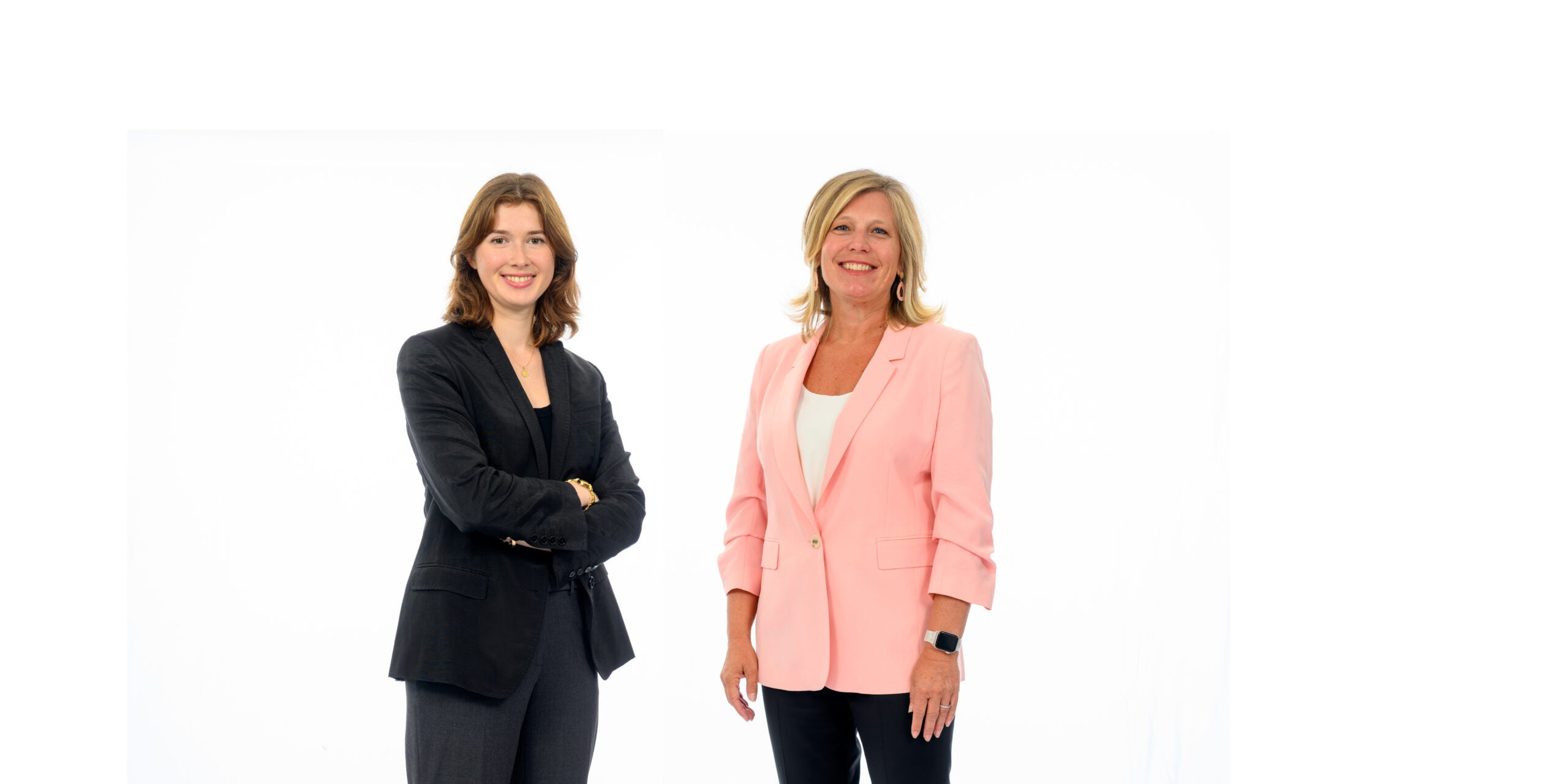
Ramsey Alwin (EML’19), president and CEO of the National Council on Aging (NCOA), shares with Isabella DeLeo (C’26) how Georgetown’s Executive Master’s in Leadership program helps guide her mission to ensure all Americans can age with dignity, security, and purpose.
How has Georgetown enhanced or impacted your career?
It was an incredible experience with curated educational activities that gave me more than just tools: it gave me perspective and space to reflect and examine how I was engaging in the issues, the leadership approach I naturally default to, and to be intentional about the leadership approach I wanted to advance in the future.
Courses on organizational change, ethical decision-making, and adaptive leadership helped me navigate some of the challenges I was experiencing working full-time. Those tools helped inform my strategy and leadership approach in many cross-organizational collaborations — bringing more confidence and creativity to my leadership to inspire, empower, and serve those I was working with.
What are your goals for the National Council on Aging?
Our mission is to ensure all age well in America, and that every older adult has the resources they need to age with dignity, security, and purpose. We’re on a mission to improve the lives of 40 million older adults by 2030, and we take that mission very seriously with a rigorous set of metrics around the health and economic well-being of older adults.
Over 11,000 people are turning 65 every day this year, and what’s incredible is they’re likely to live another two or three decades. This is an amazing gift, but it’s not equally shared. The quality of health and life of those years varies and largely depends on factors out of their control, even their zip code.
Our mission at NCOA is to elevate aging and aging well as a right — not a privilege — and to help build out the programs, services, and policies that ensure everyone has access to the support they need.
What challenges have you faced, and how were you able to overcome them?
Organizationally, the challenge is this first age wave of boomers: we’ve known about this demographic trend for decades, but we haven’t really prepared for it. Over 70 million boomers are living two and three more decades than their parents. But our policies, programs, and services aren’t necessarily built for that increased longevity.
As we look to the future, we have over 90 million millennials who are highly likely to live to be 100. It’s an amazing illustration of medical and technological breakthroughs, but so much of our policy was built back in the 1950s and 60s. We haven’t modernized, strengthened, or expanded the types of services and support needed to age well. We learn that every day in our interactions with older adults and community-based organizations — they’re falling short in navigating multiple health conditions, chronic conditions, and not getting access to preventative and wellness services that could get in front of that. They worked hard and played by the rules, but they’re coming up short in old age because Social Security was never intended to be their sole source of income.
We work every day to help older adults who want and need to get trained and placed in jobs to do so. We help those who are coming up short enroll in programs to help with food, medicine, and other basic needs. We work with community-based organizations to help individuals enroll in evidence-based health promotion programs that address their chronic conditions and gain access to community-based resources. The biggest challenge is the ability to gain access to those programs not funded at scale to be available in every community.
Do you have any advice for young alumni looking to lead a large organization?
When you know your “why” and make it your North Star, everything falls into place. You’ll find you’re engaging with other professionals who also know their “why,” and that can open up doors and opportunities. You’ll have the resilience when it doesn’t go right to lead through uncertainty because you’re focused on a higher purpose. Surround yourself with a vast network who can be thoughtful advisors and speak candidly about where your growing edges might be. In the workforce, surround yourself with a team that complements you to make sure you’re aware of your own strengths and weaknesses because no one benefits from an echo chamber.
This story was originally featured in the Georgetown Business Fall 2025 Magazine. Download the Georgetown Business Audio app to listen to the stories and other bonus content.