Georgetown GRA Alumni Career Stories and Professional Outcomes
How the M.S. in Global Real Assets Shapes Career Success
The Georgetown M.S. in Global Real Assets (GRA) is an innovative program developing the next generation of leaders in real assets–spanning real estate, infrastructure and the future of power. It prepares students to influence and drive the investment in, development of, and allocation of resources across the built environment. Our graduates enter careers such as real estate, financial services, consulting, government, technology, and new media.
Hear from our alumni, who share more about how their experience in the GRA program and how it has accelerated their careers.
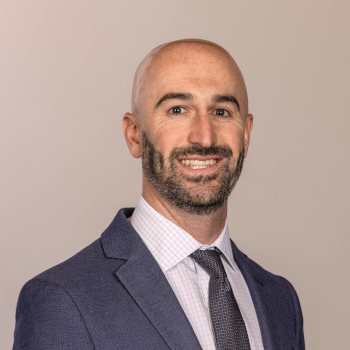
Industry: Real Estate Company: JLL Job Title: Analyst, Debt Capital Markets
Q: Describe the best part of your GRA experience.
The best part of my experience at Georgetown was the ability to network with alumni in the field of real estate. This was a valuable resource for understanding what I wanted to do in real estate upon graduation. Everyone I connected with was very eager to answer questions and help in the recruiting process.
Q: Describe your Global Business Experience. What did it entail? How did it impact you?
The Global Experience in Stockholm was a great way to see how the real estate industry operates overseas. Seeing the differences between real estate operations in the United States and in Sweden gave me a deeper understanding of real estate trends. Traveling internationally with my peers also connected us as a class and built shared experiences and friendships you can’t get from the classroom.
Q: What impact did the GRA program have on your career?
The GRA program taught me the necessary skills in evaluating asset returns and debt financing. Despite already having a career in real estate, going back to the classroom and learning the basics of underwriting made the interviewing process easier. Having the Georgetown degree also opened connections for me at my current job and in the broader D.C. real estate network.
Q: What was your experience like with your cohort, and how would you describe the diversity of your cohort?
Many technical classes and dedicated staff enhanced my experience with others and the school at large. The diversity of the cohort was excellent by bringing both international individuals and folks from all over the country. This only helped this program and lenses that each would bring.
Q: Describe your Global Business Experience. What did it entail? How did it impact you?
We went to Stockholm. This was a great experience and learned a significant amount of sustainability efforts happening in Europe. It impacted me by introducing me to international scopes in handling sustainability initiatives and how we can bring this into the United States.
Q: What impact did the GRA program have on your career?
Professor Matt Cypher has strong connections among the alumni, and he introduced me to a local private equity shop to get my career started.
Q: When did you know you made the right decision in attending Georgetown’s GRA program?
When I walked into Lee Pinkowitz’s first Finance class and before I could go to shake his hand, he knew my name, hometown, and that I was training for a marathon (I had never met him). I’d never been so taken aback by a teacher’s care before, and I think it defines the personalized experience I had at Georgetown that allowed me to grow as a person.
Q: Describe the best part of your GRA experience.
I was afforded the opportunity to go to London for a week about 75% of the way into the program, with a handful of classmates to present in a case competition sponsored by MIT and Hines. That experience was an early proof to me that this program had put me in a fantastic position to succeed, equipped with technical skills and the personability to compete against and present to rooms full of people much older and more experienced. It gave me confidence going into the heat of my job hunt, and made walking into almost every interview I faced after that small potatoes.
Q: Describe your Global Business Experience. What did it entail? How did it impact you?
Our GBE took us to Stockholm, Sweden, a fantastic city I probably never would have visited myself. The Nordic countries are what many consider the peak of a powerhouse real estate investment region that also heavily prioritizes sustainability. We met with leaders of some of the largest private equity companies and banks in the region, and were tasked with writing our capstone on something we learned about after – I chose to write on the intricacies of Sweden’s apartment rental market. That trip really reinforced for me how much of an interest I have in a career that includes an international component.
Consulting, Government, Technology and New Media
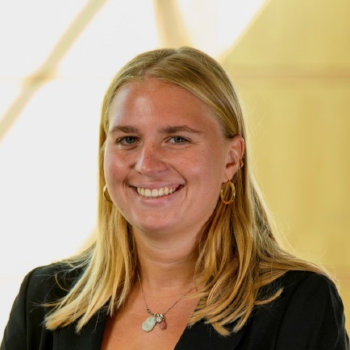
Julia Parker (GRA’25)
Industry: Consulting, Government, Technology and New Media Company: Bower Group Asia Job Title: Business Development Analyst
Q!: When did you know you made the right decision in attending Georgetown’s GRA program?
I knew I had made the right decision when we went on our first site visit to Goodwill Baptist Church in Adams Morgan during our Community Development Clinic. Seeing the property firsthand and engaging with the community brought the project to life. Collaborating closely with architects, developers, and my team, I could envision how our recommendations might transform the space into viable affordable housing and serving community needs. That experience reinforced my interest in development and serving the community, deepening my understanding of how cross-disciplinary collaboration drives meaningful outcomes.
Q: Describe the best part of your GRA experience.
The best part of the program for me was the site visits. Experiencing properties firsthand and observing their surrounding communities brought the coursework to life, allowing me to connect analysis and strategy with tangible outcomes. These visits reinforced my interest in infrastructure and real estate finance and highlighted the importance of understanding the social and physical context of real estate projects.
Q: What impact did the GRA program have on your career?
The GRA program has had a significant impact on my career by providing specialized, niche expertise in global real assets—a field that is increasingly important in today’s infrastructure and sustainability focused economy. Coupled with my interest in Asia, it was the perfect compliment to my undergraduate degree from McDonough in international business. Through coursework and projects, I gained deep exposure to real estate, infrastructure, and data center markets globally, strengthening my ability to analyze investment opportunities, evaluate regulatory frameworks, and integrate financial and strategic insights. The program has provided me with a unique edge when applying and succeeding in roles.
Frequently Asked Questions
How does the Georgetown GRA program support those wishing to enter the real estate industry?
The GRA prepares students to enter the real assets sector with specialized technical and market knowledge. Students build capabilities across real estate finance, infrastructure investment, capital markets, and sustainability while applying their learning through real estate clinics, underwriting exercises, and industry engagement.
What industries do Georgetown GRA alumni work in?
GRA alumni build careers across real estate investment, infrastructure, private equity, asset management, development, consulting, and financial services. Many work in roles tied to the financing, development, and management of the built environment.
What types of employers hire Georgetown GRA graduates?
Graduates secure roles with a range of real assets employers, including:
Real estate private equity and investment management firms
REITs and real estate operating companies
Infrastructure and energy investment platforms
Development and construction firms
Real assets advisory and consulting firms
Financial institutions and capital providers
Industry exposure is strengthened through the Steers Center network and practitioner engagement.
How does the GRA program incorporate global real assets experience?
The GRA program builds global perspective through direct exposure to international real assets markets. Students participate in an overseas experiential component where they meet with real estate and infrastructure leaders and examine how different regions approach investment, development, policy, and sustainability. That global context is reinforced throughout the curriculum by comparing market structures, regulation, capital flows, and risk drivers across geographies.